Vol. 22 No. 1 (2025): Jurnal Ilmiah Pertanian

					View Vol. 22 No. 1 (2025): Jurnal Ilmiah Pertanian

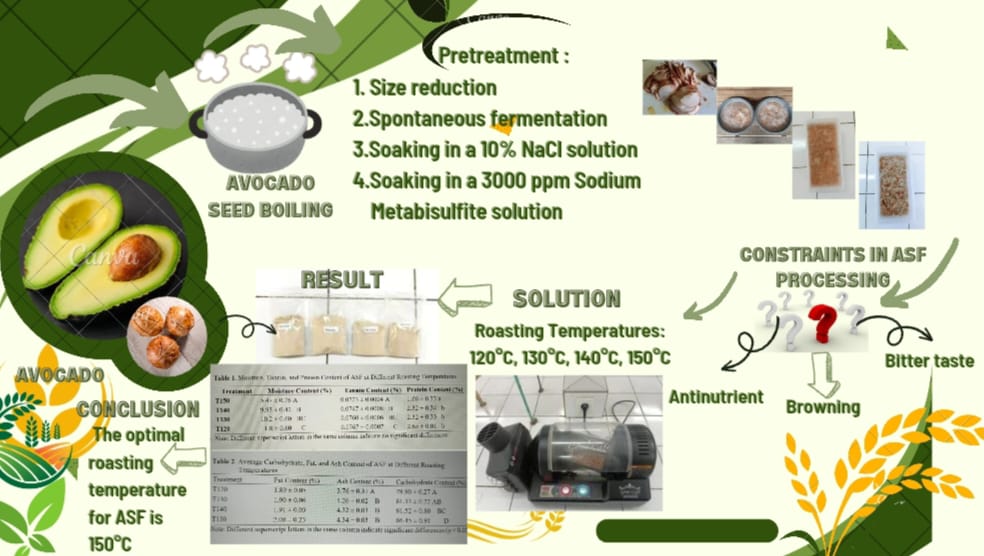
The March 2025 issue of Jurnal Ilmiah Pertanian (Vol. 22, No. 1) features five original research articles that offer fresh perspectives and evidence-based innovations across agro-industrial technology, plant protection, and sustainable agriculture. The cover of this edition showcases the macroscopic morphology of single colonies of endophytic bacteria isolated from Mimosa pudica roots—specifically highlighting isolate BEP5—originating from the third article in this volume, which explores biological control strategies against banana Fusarium wilt. The issue opens with a study on optimizing roasting conditions for avocado seed flour (Persea americana Mill.), a promising functional ingredient derived from agro-waste. By testing four different roasting temperatures, the researchers identified 150°C as optimal, significantly enhancing flour quality by reducing moisture and tannin levels while preserving nutritional composition.

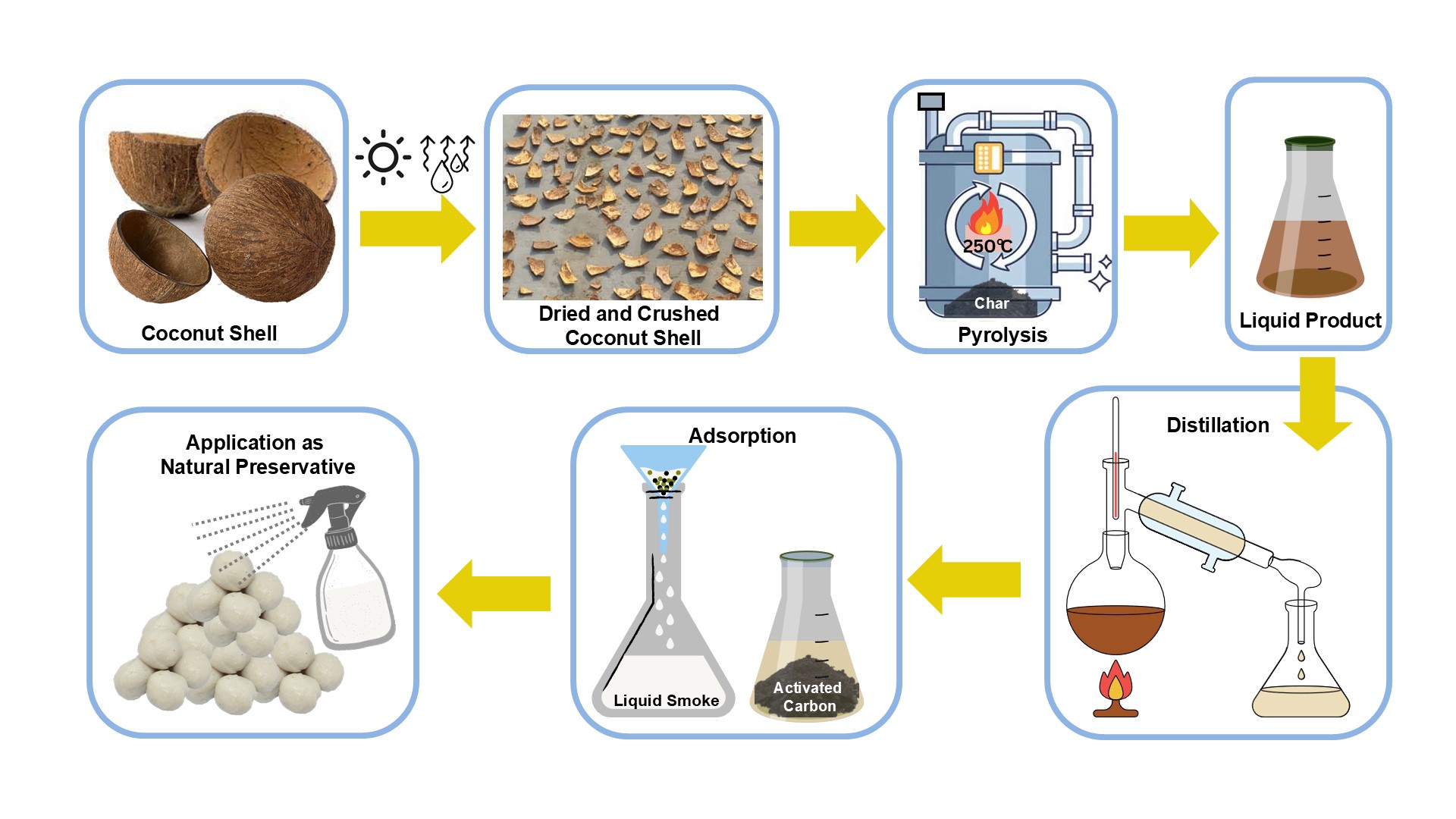
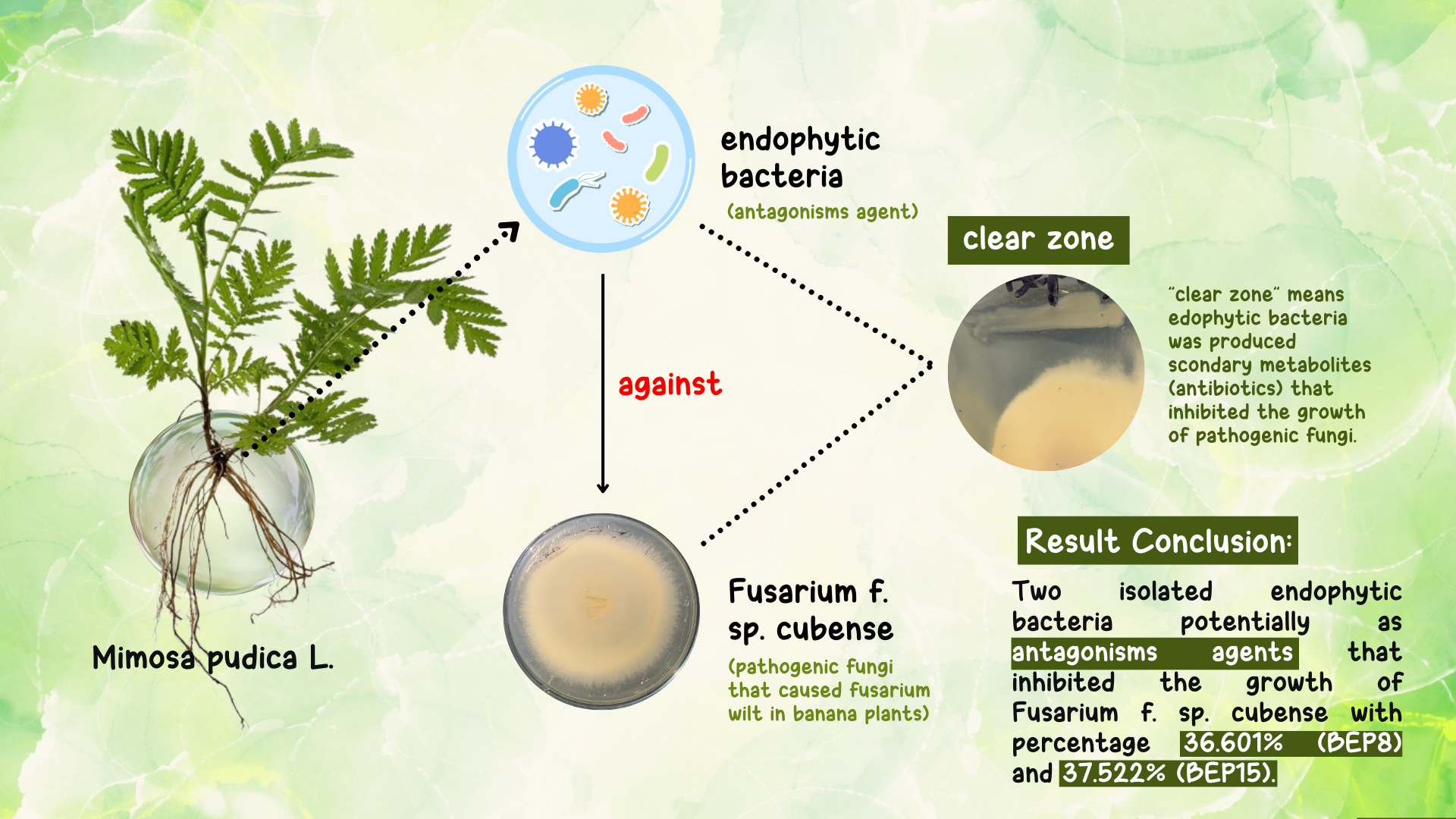
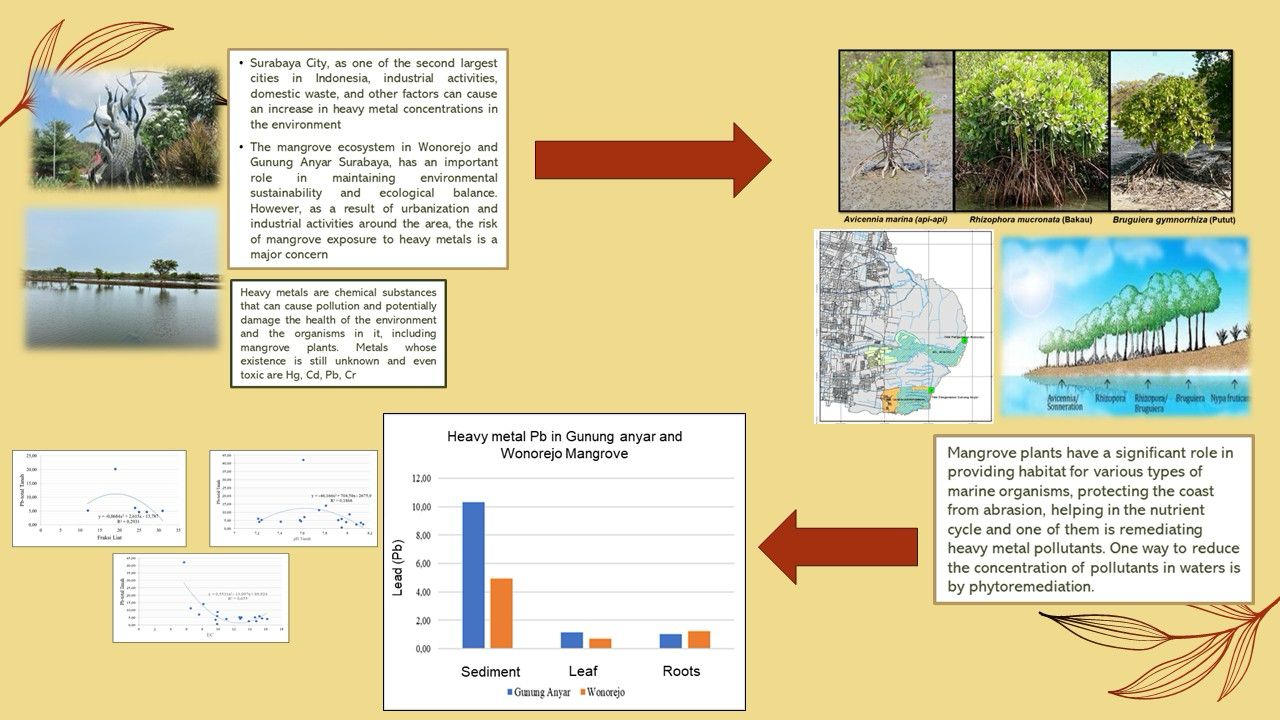
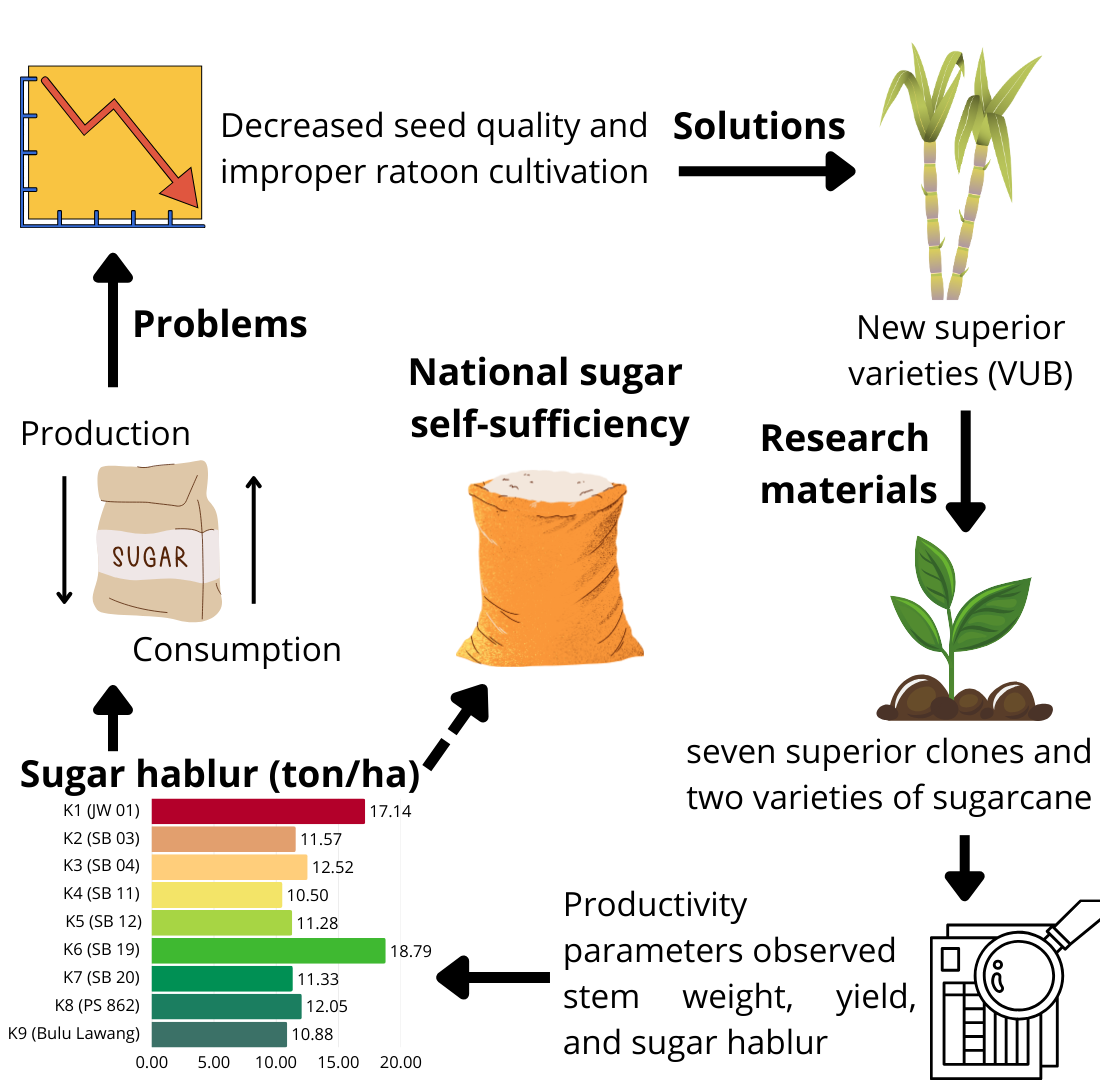
The second article investigates the production and application of coconut shell-derived liquid smoke as a natural food preservative. The study demonstrates its effective antimicrobial activity, particularly at a 7% concentration, making it a viable substitute for synthetic preservatives in processed fish products like fish balls. The third article, which contributes the cover image, examines the in vitro antagonistic activity of endophytic bacteria BEP8 and BEP15 isolated from Mimosa pudica against Fusarium oxysporum f. sp. cubense. Both isolates significantly inhibited fungal growth in dual culture assays, highlighting their potential as environmentally friendly biocontrol agents for banana disease management. Focusing on environmental rehabilitation, the fourth article evaluates the phytoremediation capacities of three mangrove species—Avicennia marina, Rhizophora mucronata, and Bruguiera gymnorrhiza—in Pb-contaminated urban coastal areas of Surabaya, Indonesia. Each species exhibited distinct metal accumulation and translocation patterns, offering species-specific insights for future coastal restoration strategies. The final article assesses agronomic performance and sugar yield potential in seven promising sugarcane clones during their second ratoon cycle. Significant differences were found among clones for key yield-related traits, with two genotypes demonstrating superior performance and heritability, reinforcing their potential for variety release. Altogether, this edition underscores the journal’s mission to disseminate applied agricultural research that promotes sustainability, innovation, and environmental resilience in tropical farming systems.

Published: 2025-03-26

Original Articles